In this guide
Key Takeaways
- A-line skirts are straightforward to compare because the flared cut largely determines how the shape sits and moves.
- Pencil skirts should be judged first on stretch content, since their narrow cut through the hip and thigh affects comfort and mobility.
- The main trade-offs between skirt types are movement, structure, care requirements, and how easily each shape works with different shoes and layers.
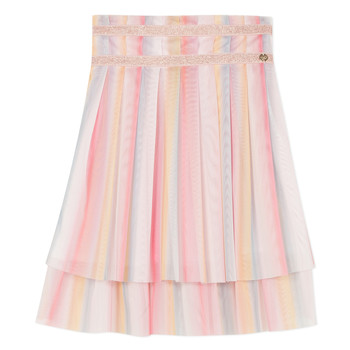
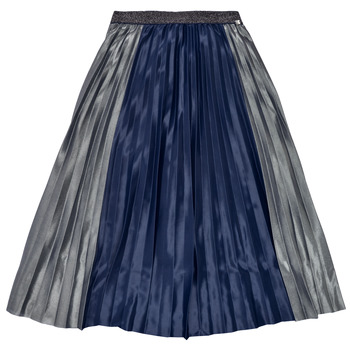
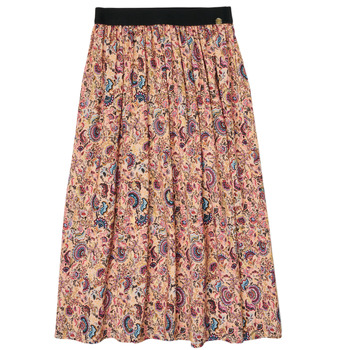
- Pleated midi skirts balance the cleaner look of office styles with the ease of softer everyday options.
- Midi skirts usually fall between the knee and ankle, most often at mid-calf, while maxi skirts prioritise coverage, movement, and simple outfit planning over a tailored line.
What to Look For
A-Line Skirts
A-line skirts are one of the easiest shapes to compare because the cut itself does most of the work. Fitted at the waist and gradually wider through the hem, they create definition without clinging to the hips or thighs. That makes them useful if you want a cleaner line through the middle or more movement than a straight skirt allows. The key difference between one A-line skirt and another is how pronounced the flare is. A gentle A-line reads neater and often layers better under coats, while a wider cut gives more swing and can feel less restrictive when walking.
Fabric changes how an A-line sits. Crisp cotton, denim and structured blends hold the shape away from the body, so the silhouette stays visible throughout the day. Softer jersey, viscose or satin versions fall closer to the hips and can look less architectural, even if the cut is technically the same. Length matters too. A mini A-line puts more emphasis on the legs, a midi tends to balance shape and coverage, and a maxi version can feel dramatic but needs enough width at the hem to avoid restricting stride.
-
Check how strong the flare is, subtle and structured gives a different result from a fuller sweep.
-
Look at fabric weight, stiffer cloth keeps the A-line shape clearer than fluid materials.
-
Compare hem length with your footwear, especially for midi and maxi cuts.
-
If you want everyday wear, pockets and a waistband that sits flat under knitwear are practical details.
Pencil Skirts
Pencil skirts are defined by a narrow cut that follows the body more closely from waist to hem. When comparing them, the first thing to assess is ease of movement. A skirt can look sleek on the hanger but feel limiting if there is no back vent, side slit or stretch in the fabric. For workwear and regular commuting, this matters more than the exact hemline. A knee-length pencil skirt usually offers the broadest styling range, while midi pencil skirts can look sharper but need careful attention to walking comfort.
The second point is structure. Tailored wool blends, ponte and heavier cotton fabrics tend to smooth the line and hold their shape over repeated wear. Lighter materials can work, but they often show pocket outlines and crease more quickly. Waist construction also affects fit. A contoured waistband can sit closer to the body, while a simple straight waistband may gap if the skirt is very fitted through the hips. If you are comparing formal and casual options, the presence of lining, vents and visible seams will often tell you more than the label description alone.
A very narrow pencil skirt without stretch or a vent may look polished standing still but can be impractical for stairs, cycling or long periods of sitting.
-
Prioritise movement, check for stretch, a slit or a vent before focusing on styling.
-
Heavier fabrics usually keep a cleaner line and resist creasing better.
-
Waistband shape affects gaping, especially on close-fitting cuts.
-
Knee and midi lengths suit different uses, compare them with your daily routine.
Pleated Skirts
Pleated skirts vary more than they first appear. Permanent knife pleats, wider box pleats and softer pressed pleats all change volume and movement. Fine pleats create fluid motion and often skim over the body, while wider pleats add more visible structure and can increase bulk around the waist or hips depending on where they start. If you want a pleated skirt for everyday wear, look closely at whether the pleats begin at the waistband or lower down. Dropped pleats can reduce volume at the top and create a straighter line.
Material is especially important here because pleats only work if the fabric supports them. Polyester and blended fabrics often hold permanent pleating well and need less maintenance after washing or packing. Natural fibres can look excellent, but some lose their crispness more quickly and may need pressing to restore the shape. Length also changes the effect. Midi pleated skirts are the most common because they show movement without overwhelming the frame, while mini pleated styles look sharper and sportier, and maxi pleats can feel heavier unless the fabric is light.
| Type | Main characteristic | Everyday consideration | Visual effect |
|---|---|---|---|
| Knife pleated skirts | Narrow, even pleats | Usually easy to dress up or down | Fluid movement |
| Box pleated skirts | Wider folded pleats | Can add structure and volume | More defined shape |
| Dropped-pleat skirts | Pleats start below the waist | Often flatter through the hips | Straighter upper line |
-
Check where the pleats start, at the waist gives more volume than dropped pleats.
-
Compare pleat width, narrow pleats move differently from wider folded styles.
-
Permanent pleating is usually easier to maintain for regular wear.
-
Fabric weight affects swing, drape and how bulky the skirt feels.
Denim Skirts
Denim skirts are less about one silhouette and more about fabric behaviour across different cuts. A denim mini, midi A-line and straight button-front skirt can all wear very differently even when made from similar cloth. The practical question is whether the denim is rigid or has added stretch. Rigid denim gives more structure and often a cleaner shape, but it can take longer to soften and may feel restrictive in narrow cuts. Stretch denim is easier for daily movement, though it may lose some crispness over time.
Construction details matter more in denim than in many other skirt categories. Front slits improve stride on midi lengths. Traditional five-pocket styling can add casual utility, while cleaner panels create a neater finish. Wash also affects versatility. Darker washes usually read smarter and are easier to pair with tailored layers, while faded or distressed finishes are more casual. If you want one denim skirt for frequent wear, compare hem length with the amount of structure in the fabric. A long, rigid skirt without a slit can be far less practical than it looks.
For everyday use, a midi denim skirt with either stretch or a front slit is usually easier to walk in than a fully rigid straight cut.
-
Decide between rigid and stretch denim based on how much structure versus flexibility you want.
-
On midi and maxi lengths, check for a slit to improve movement.
-
Pocket style and panel construction change how casual or polished the skirt looks.
-
Dark washes are generally easier to integrate into work-to-weekend wardrobes.
Key Specifications to Compare
Pencil Skirts
Pencil skirts are defined by a narrow cut through the hip and thigh, so the first specification to compare is stretch content. A close fit without elastane or another stretch fibre can restrict stride length, especially in midi lengths. If the fabric composition is listed but movement features are not, check for a back vent, side slit, or front split, because these details affect how practical the skirt is for commuting and desk wear.
Waist construction matters as much as silhouette. A fixed waistband with a zip gives a cleaner line under tucked tops, while pull-on styles with an elasticated waist usually prioritise comfort and easier fit across the midsection. Length also changes how the same skirt wears: above-knee pencil skirts tend to feel less restrictive, while knee-length and midi versions rely more heavily on stretch, vents, or slits to remain comfortable through the day.
A pencil skirt can look similar on the hanger across multiple listings, but the presence or absence of a vent often makes a bigger difference in wear than a small change in length.
-
Compare fabric composition for stretch fibres if the cut is slim.
-
Check for vents or slits, especially on knee-length and midi styles.
-
Distinguish between fixed waistbands and pull-on waists for fit and layering.
-
Use length and hem opening together to judge ease of movement.
Pleated Skirts
Pleated skirts vary more in structure than many shoppers expect. Permanent pleats in synthetic blends usually hold their shape more consistently and need less maintenance, while softer fabrics can create a gentler drape but may lose definition with wear or washing. The specification to compare closely is pleat type, if given, because narrow pleats create more movement and texture, while broader pleats can add volume and a more architectural line.
Waist finish changes how pleats sit on the body. A flat front with pleating starting below the waistband gives a smoother look at the waist, whereas full pleating from the waistband creates more fullness through the upper skirt. Length is also central here: mini pleated skirts read sharper and more structured, midi pleated skirts emphasise movement, and maxi pleated skirts depend heavily on fabric weight to avoid looking limp or overly bulky.
| Feature | Mini Pleated Skirts | Midi Pleated Skirts | Maxi Pleated Skirts |
|---|---|---|---|
| Main fit effect | Shorter, sharper outline | Balanced movement and coverage | Long vertical line |
| Fabric weight importance | Moderate | High | Very high |
| Volume impact | Concentrated near hip | Spread through length | Can build quickly if fabric is heavy |
| Everyday practicality | Easy to style, less coverage | Versatile for work and casual wear | Best checked for bulk and hem weight |
If a pleated skirt is listed without detail on pleat permanence, fabric composition often gives the clearest clue to how much upkeep it will need.
-
Compare pleat width and whether the pleats appear structured or soft.
-
Check where pleating begins, at the waistband or below it.
-
Match length to fabric weight so the skirt hangs cleanly.
-
Use composition as a guide to pleat retention and maintenance.
Denim Skirts
Denim skirts are best compared by weight, stretch, and front construction. Rigid denim gives a more defined shape and often wears closer to traditional jeans, while stretch denim is usually easier for sitting, walking, and all-day wear. A front split is not just a styling detail on longer denim skirts, it often compensates for the reduced give of heavier fabrics and a straighter cut.
Pocket placement and fastening type also affect how a denim skirt functions in everyday use. Five-pocket designs tend to feel more casual and practical, while cleaner front panels can sit flatter under knitwear or shirts. Mini, midi, and maxi denim skirts can share the same fabric but behave very differently, so compare hem width and slit depth where available rather than assuming a longer version will feel the same as a shorter one.
A long denim skirt without stretch or a split can be noticeably less practical than a shorter rigid style, even when the listed fit sounds similar.
-
Check whether the denim is rigid or stretch for day-to-day comfort.
-
Look for front or back splits on longer straight-cut styles.
-
Compare pocket layout if you want a flatter front or more utility.
-
Use hem width and cut, not just length, to judge movement.
Satin Skirts
Satin skirts are usually compared on cut, fibre composition, and waistband finish. Bias-cut satin skirts tend to skim the body and move fluidly, but they also reveal more variation in fit depending on the fabric’s weight and the precision of the cut. Straight-cut satin styles can feel easier to predict in sizing, particularly if they include a zip or a more structured waistband.
The fabric itself changes both appearance and maintenance. Satin made from synthetic fibres often has a slightly different drape and care profile from silk-based options, and this matters if the skirt is intended for frequent wear rather than occasional use. Midaxi and midi lengths are common because they show the fabric’s movement well, but they also make cling, transparency, and static more relevant, so lining and fabric weight are worth checking where listed.
On satin skirts, the cut often affects fit more than the nominal size, especially with bias-cut styles that are designed to follow the body rather than sit away from it.
-
Distinguish between bias-cut and straight-cut satin styles.
-
Compare fibre composition for drape, feel, and care needs.
-
Check waistband construction for a cleaner fit or easier pull-on wear.
-
Look for lining or heavier fabric if cling is a concern.
Jersey Skirts
Jersey skirts are driven by fabric blend and waist construction more than by tailoring details. A cotton-rich jersey usually feels different from a viscose or polyester blend, and the amount of stretch affects whether the skirt holds its shape or relaxes through the day. For fitted jersey skirts, compare the percentage of stretch fibres and whether the design includes ruching, because gathered construction can change both fit flexibility and how the fabric sits over the hips.
Length and silhouette determine whether a jersey skirt works more like loungewear, office basics, or travel clothing. Straight midi jersey skirts often need a slit for easier walking, while flared jersey styles rely on fabric weight to avoid twisting or dropping unevenly. Elasticated waists are common and practical, but they can create more bulk under close-fitting tops than a flat waistband or side zip.
Jersey is one of the easiest fabrics to wear casually, but the blend determines whether it feels polished enough for smarter outfits.
-
Compare fibre blend and stretch level before comparing shape.
-
Check for ruching or gathered seams on fitted styles.
-
Look for slits on straight midi cuts to improve movement.
-
Consider waistband bulk if you plan to wear fitted layers over the top.
Advantages and Disadvantages
Different skirt types solve different wardrobe problems, and the trade-offs are usually in movement, structure, care, and how easily the shape works across shoes and layers. Comparing them by silhouette and fabric makes it easier to judge whether a skirt will suit commuting, office wear, travel, or casual use, rather than focusing only on trend.
| Type | Main advantages | Main disadvantages | Best for |
|---|---|---|---|
| Midi skirts | Versatile length, broad shoe compatibility, more coverage | Can shorten the leg line if proportions are off | Workwear, everyday dressing, transitional weather |
| Maxi skirts | High coverage, comfortable movement, easy layering | Can drag, add visual volume, less practical in wet weather | Travel, casual wear, cooler days |
| Mini skirts | Cooler in warm weather, easy to style with flats or boots, strong leg emphasis | Less coverage, more sitting and movement considerations | Warm weather, evening wear, layered looks |
| Pleated skirts | Fluid movement, forgiving through hips, easy to dress up | Pleats can lose sharpness, some fabrics need careful care | Office, occasion wear, smart casual outfits |
When comparing lengths, check where the hem falls on the model relative to the knee, mid-calf, or ankle, because the same labelled length can wear very differently depending on your height.
Midi Skirts
Midi skirts sit between the knee and ankle, which makes them one of the most adaptable categories for everyday wear. Their main advantage is balance: they offer more coverage than a mini without the full length and potential drag of a maxi. That extra coverage makes them easier to wear in variable weather and more practical for offices, public transport, and day-long use. They also work with a wide range of footwear, including ankle boots, loafers, trainers, and low heels, so they tend to integrate well into an existing wardrobe.
The main drawback is proportion. A midi hem that lands at the widest part of the calf can make the lower half look heavier, particularly in stiff fabrics that hold width away from the body. This is less of an issue when the skirt has movement or when the waistline and shoe choice create a clearer vertical line. Midis also vary more than many shoppers expect: a straight midi, a bias-cut midi, and a full midi can behave like completely different products in daily wear, even though the length label is the same.
-
Strong all-round option for work, weekends, and transitional seasons
-
Usually easier to pair with different shoes than very short or full-length styles
-
Coverage is better suited to commuting and seated wear than mini lengths
-
Hem placement is critical, especially if it hits at the broadest part of the calf
Maxi Skirts
Maxi skirts prioritise coverage and ease, which is why they are often chosen for relaxed dressing, travel, and cooler days. The longer line can create a continuous silhouette that feels less interrupted than shorter lengths, and it can also reduce the need for tights or additional layers. In softer fabrics, a maxi can move well without feeling restrictive, making it useful for long periods of wear when comfort matters as much as appearance.
Their disadvantages are mostly practical. Full-length hems are more likely to catch on stairs, collect dirt in wet conditions, or drag if the length is slightly too long for your usual shoes. Maxis can also add visual volume, particularly when combined with heavy fabrics or very full cuts, so they need more attention to fabric weight and hem length than shorter skirts. For petite shoppers, a small difference in rise or hem can change whether the skirt looks streamlined or overwhelming.
A maxi that only works with one heel height is less versatile than it first appears, because even a small change in shoe sole can affect ground clearance.
-
High coverage makes them useful in cooler weather and for long days out
-
Comfortable for casual wear when cut in fabrics that allow movement
-
Less practical in rain, on stairs, or when the hem is close to the ground
-
Full cuts and heavier fabrics can add bulk more quickly than shorter styles
Mini Skirts
Mini skirts offer the clearest leg line of any common skirt length, which is why they can feel sharper and lighter than longer options. In warm weather, the reduced fabric makes them cooler to wear, and they are often easy to style with flat shoes, sandals, or knee-high boots depending on season. They also layer well with tights, knitwear, and jackets, so they are not limited to summer if the fabric and styling are adjusted.
The trade-off is reduced coverage and a narrower comfort range in everyday situations. Sitting, cycling, climbing stairs, and windy conditions all matter more with a mini than with a midi or maxi. Fit also becomes more critical, because a short hem combined with a low rise or rigid fabric can limit movement quickly. For many shoppers, the question is not whether a mini suits them visually, but whether it suits how they actually move through the day.
-
Cooler and lighter for warm weather or indoor wear
-
Works well with flats, boots, and layered outfits
-
Less coverage means more movement and sitting considerations
-
Fit and rise have a bigger effect on comfort than with longer lengths
Pleated Skirts
Pleated skirts are defined less by length than by construction, and that construction brings specific strengths. Pleats add movement and texture without requiring a clingy fit, which makes them useful for shoppers who want shape through the waist with more ease through the hip and thigh. They can also shift between smart and casual styling more easily than many structured skirts, depending on fabric and shoe pairing.
Their disadvantages are tied to maintenance and bulk. Pleats rely on definition, so laundering and storage matter more than with plain-cut skirts. Some fabrics hold pleats well, while others can relax over time or require more careful pressing. Pleats can also add volume, especially box or knife pleats in heavier materials, so the effect at the hip and waist is worth checking closely when comparing product photos.
-
Adds movement and texture without a close fit through the hips
-
Flexible across office, occasion, and smart casual wear
-
Pleat retention and care requirements vary by fabric
-
Heavier or deeper pleats can increase volume at the waist and hip
Our Top Picks
Pleated Midi Skirts
Pleated midi skirts sit in a useful middle ground between structured office styles and softer everyday options. The pleats create movement without adding the fixed volume of a gathered waist, and the midi length gives more coverage than a mini while staying easier to walk in than many maxis. When comparing them, the first thing to check is how the pleats are formed. Knife pleats usually read cleaner and sharper, while wider pleats can look more relaxed and change the way the skirt hangs over the hip.
Fabric matters more here than in many other skirt categories because pleats rely on the cloth to hold their shape. Polyester blends often keep a crisp pleat with less maintenance, while lighter viscose or similar fibres can move more fluidly but may lose definition after washing. Waist construction also changes the feel of the skirt in daily wear. A flat waistband tends to look neater under knitwear, while an elasticated waist is easier for all-day comfort and layering.
If you plan to wear a pleated midi with boots, check where the hem falls against the boot shaft, because a small overlap can make the length look awkward.
-
Compare pleat width, because narrow and wide pleats change both volume and drape
-
Check fabric composition for pleat retention and care requirements
-
Look at waistband construction if you want to tuck in tops or wear layers over it
-
Midi lengths vary, so hem position matters as much as the listed size
Denim Skirts
Denim skirts are one of the most practical categories for everyday wear because they combine the familiarity of jeans fabric with easier warm-weather styling. The key comparison point is structure. Rigid denim gives a cleaner outline and often holds a straighter shape through the hip, while denim with added stretch usually feels easier when sitting, cycling, or walking longer distances. That difference affects not only comfort but also how the skirt ages and whether it keeps a crisp line through repeated wear.
Length and front detailing are the next points to assess. Mini denim skirts tend to work more casually and show more leg, while midi and longer cuts often rely on a front split for movement. Pocket placement also changes the look more than many shoppers expect. Large patch pockets can emphasise the hip area, while classic jean-style pockets usually blend in more quietly. Wash is not just a style choice either. Darker denim often reads slightly smarter, while faded washes lean more casual and can show wear differently over time.
Heavier denim without stretch can feel restrictive in straight cuts unless there is a split or enough room through the thigh.
-
Decide between rigid and stretch denim based on movement and shape retention
-
Check for a front or back split on longer straight styles
-
Compare pocket placement if you are sensitive to added visual width at the hip
-
Dark and light washes shift how formal or casual the skirt feels
Satin Skirts
Satin skirts are a staple for shoppers who want a softer drape and a surface that works across day and evening outfits. Most are cut on the bias or designed to skim the body, so the main thing to compare is how much cling the fabric has. A fluid satin can fall neatly from the waist and move well when walking, but thinner constructions may highlight seams, pocket lines, or the outline of knitwear tucked in above them. Lining can make a noticeable difference here, especially in lighter colours.
Waist finish and hem shape are also worth close attention. A concealed side zip usually gives a cleaner front, while elasticated waists make the skirt easier to style casually. Bias-cut satin often relaxes slightly with wear, so length consistency matters if you are choosing between trainers, loafers, or heeled boots. This category rewards careful fabric checking because satin describes the finish rather than the fibre. The handle, shine, and care needs can vary significantly depending on the underlying material.
If you want a satin skirt for daytime use, a less glossy finish is usually easier to pair with cotton shirts, knitwear, and flat shoes.
-
Check whether the skirt is lined, especially in pale shades
-
Compare zip and waistband construction for a cleaner or more relaxed finish
-
Look at the level of shine, because it changes how formal the skirt appears
-
Satin finish does not guarantee the same fibre, drape, or care routine
Maxi Skirts
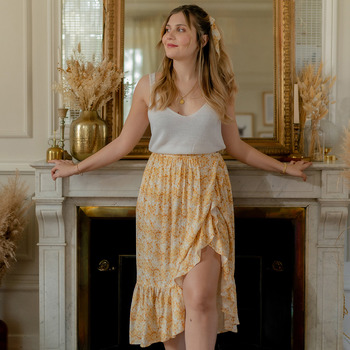
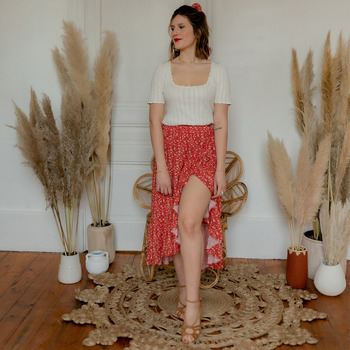
Maxi skirts offer coverage and movement, but they are not all interchangeable. The most useful distinction is between column shapes and fuller cuts. A straight maxi gives a longer, cleaner line and can work well with fitted tops or cropped knitwear, while fuller styles create more sweep and often feel easier in hot weather. The trade-off is bulk. More fabric can look dramatic in motion, but it also changes how the skirt layers under coats and how much space it takes up when sitting or travelling.
The hem and fabric weight deserve close scrutiny because they determine whether a maxi feels practical or fussy. Lightweight fabrics can look elegant but may lift in the wind or catch under shoes if the length is too generous. Heavier cloth usually hangs better, though it can feel warm and less flexible for summer use. If you are comparing several skirt types for daily wear, the table below highlights the main differences.
| Category | Typical strength | Main watchpoint | Most useful for |
|---|---|---|---|
| Pleated Midi Skirts | Movement with defined shape | Pleat retention and hem length | Workwear and smart casual outfits |
| Denim Skirts | Durability and easy styling | Restriction in rigid straight cuts | Casual everyday wear |
| Satin Skirts | Fluid drape and dressier finish | Cling, shine, and care needs | Day-to-evening outfits |
| Maxi Skirts | Coverage and longer line | Hem practicality and fabric bulk | Layered outfits and warm-weather dressing |
A maxi that only works with one heel height is often less versatile than a slightly shorter hem that clears both flats and low boots.
-
Compare straight and full cuts for line, movement, and layering bulk
-
Check hem length against the shoes you actually wear most often
-
Fabric weight affects drape, warmth, and how manageable the skirt feels
-
Longer skirts need enough room or a split to keep walking comfortable
Frequently Asked Questions
What length counts as a midi skirt?
A midi skirt usually falls between the knee and the ankle, most often landing at mid-calf. The exact point matters because a midi that stops at the widest part of the calf can look different from one that finishes slightly above or below it.
Are midi skirts practical for everyday wear?
Yes, if you check fabric weight, hem width, and lining. A narrow midi in a rigid fabric can restrict stride, while a fuller cut or a fabric with movement is usually easier for commuting and day-long wear.
A midi skirt covers a wide range of shapes, so length alone does not tell you how it will wear. Straight, bias-cut, pleated, and full midi styles all behave differently when walking, sitting, and layering with boots or trainers.
Fabric also changes how a midi reads in daily outfits. Crisp cotton and denim tend to hold shape, while jersey, satin, and viscose blends usually drape closer to the body. For cooler weather, a lined midi or a heavier weave often sits better with knitwear and tights.
> **Tip:** Check the product measurements rather than relying on the word "midi", because the same skirt can sit below the knee on one person and near the ankle on another.
- Midi means a hem between knee and ankle, not one fixed length
- Hem placement affects proportion, especially with flats and ankle boots
- Fuller midi cuts usually allow easier movement than narrow ones
- Fabric weight determines whether the skirt holds shape or drapes softly
### Mini Skirts
How do I choose a mini skirt that still works for everyday wear?
Focus on fabric, rise, and built-in structure. A mini with lining, a stable waistband, or a slightly heavier cloth is often easier to wear through a full day than a very light, unstructured style.
Are mini skirts only suited to warm weather?
No, but styling depends on fabric and coverage. Denim, wool-look, corduroy, and thicker ponte styles usually transition better into cooler months than very light cotton or satin options.
Mini skirts vary more in practicality than their simple shape suggests. A close fit can look clean but may ride up when walking, while a slight A-line or wrap front can give more movement. Pocket placement and seam construction also affect whether the skirt sits flat over the hip.
For everyday use, the rise matters as much as the hemline. A higher rise can create a more secure fit and work better with tucked tops or knitwear, while a low rise changes both coverage and proportion. If you plan to wear tights, check whether the fabric clings or catches.
> **Worth knowing:** Very short hems can look different in motion than when standing still, so movement and sitting comfort are worth checking in the product details and reviews.
- Heavier fabrics usually make mini skirts easier to wear day to day
- Slightly flared cuts often move better than very fitted minis
- Rise affects coverage, comfort, and how the skirt works with layers
- Cooler-weather minis tend to use denser fabrics and more structure
### Maxi Skirts
What should I check before buying a maxi skirt?
Start with total length, fabric weight, and hem shape. A maxi that skims the shoe works differently from one that nearly reaches the floor, and lighter fabrics can behave very differently in wind or rain.
Are maxi skirts flattering on shorter frames?
They can be, if the length and volume are controlled. A less bulky silhouette and a hem that does not pool around the shoe usually looks cleaner and is easier to wear.
Maxi skirts are often chosen for coverage and ease, but they are not all equally practical. Tiered styles add volume and movement, straight maxis create a longer line, and bias-cut versions tend to follow the body more closely. The amount of fabric affects both silhouette and packing bulk.
Everyday wear depends heavily on climate and footwear. Lightweight cotton or viscose maxis can feel easy in warm weather, while heavier knits or lined fabrics are more useful in cooler conditions. If you walk a lot, check whether the hem width allows a natural stride.
| Type | Main feature | Everyday consideration | Typical effect |
|---|---|---|---|
| Straight Maxi Skirts | Narrower silhouette | Check walking ease and any back slit | Cleaner vertical line |
| Tiered Maxi Skirts | Added volume through panels | Bulkier under long coats | More movement and fullness |
| Bias-Cut Maxi Skirts | Fabric cut on the bias | Can cling depending on fabric | Closer drape through hip |
> **Tip:** For frequent wear, compare skirt length against the shoes you wear most often, because a maxi that only works with one heel height is less versatile.
- Total length matters more in maxi skirts than in shorter styles
- Volume changes both movement and how the skirt layers under outerwear
- Lightweight maxis suit warm weather, heavier fabrics suit cooler use
- Hem width affects stride and day-to-day comfort
### Denim Skirts
Is a denim skirt better in rigid or stretch fabric?
It depends on the cut. A straight or pencil-shaped denim skirt often benefits from some stretch for comfort, while fuller or button-front styles can work well in rigid denim because the shape already allows movement.
Which denim skirt length is most versatile?
Midi and above-knee lengths are usually the easiest to rotate through everyday outfits. They work across more seasons and shoe types than very short or full-length denim styles.
Denim skirts are defined less by one silhouette than by the fabric's structure and finish. Compared with softer woven skirts, denim usually gives more shape and durability, but it can also feel stiffer at the waistband and hip. Seam placement, front slits, and button plackets all affect mobility.
Wash and weight are practical comparison points. Darker washes often read slightly smarter, while lighter washes can feel more casual. Heavier denim tends to hold its line better, but a lighter denim skirt may be easier in warmer weather and simpler to pack.
> **Worth knowing:** Rigid denim can soften with wear, but it rarely behaves like a fluid woven fabric, so buy for the fit and movement you need from the start.
- Stretch content matters most in narrower denim cuts
- Slits and button fronts can improve movement in structured fabrics
- Dark and light washes change how casual the skirt appears
- Denim weight affects structure, warmth, and comfort across seasons
Ready to Buy?
Maxi Skirts
Maxi skirts make sense when coverage, movement, and easy outfit planning matter more than a sharply tailored line. The key buying decision is not simply length, but how the skirt behaves from waist to hem. A straight maxi reads cleaner and works better under longer coats, while a tiered or gathered maxi adds volume and needs more space through the outfit. If you wear flats often, check where the hem sits in relation to the ankle, because a floor-skimming cut can drag once the waistband shifts during the day.
Fabric changes the role of a maxi more than many shoppers expect. A viscose or jersey maxi tends to move softly and pack well, but it can show cling through the hip and may lose shape on a hanger. Cotton poplin and linen blends hold more structure and feel cooler in warm weather, though they crease more readily and can look more casual. If you need a maxi for regular commuting, look at whether the fabric has enough weight to avoid twisting around the legs in wind or when walking quickly.
If you switch between trainers, sandals, and ankle boots, prioritise a maxi with a hem that clears the top of a flat shoe rather than one that only works with added height.
-
Compare hem position with the shoes you wear most often, not with occasion footwear
-
Check whether the skirt is straight, flared, tiered, or gathered, because volume affects layering and movement
-
Lighter fabrics feel easier in heat, while heavier fabrics usually hang more cleanly
-
Soft fabrics can cling through the hip, especially in full-length cuts
-
Structured maxis often crease more, but they usually keep their shape better through the day
Mini Skirts
Mini skirts are less about trend and more about proportion, fabric weight, and practical coverage. A mini with a firm fabric and clean waistband behaves very differently from one cut in a soft knit or draped cloth. If you want a mini for everyday wear rather than occasional styling, focus on how securely it sits at the waist and whether the hem stays consistent when you walk, sit, or climb stairs. A few centimetres in length can make a large difference to comfort.
The most useful comparison point is structure. Tailored minis tend to give a clearer silhouette and pair well with knitwear, shirts, and heavier outerwear. Softer minis can feel easier and less formal, but they may ride up more and show every layer line underneath. Also check how much volume sits at the hip. A compact straight mini layers more easily with long boots and fitted jackets, while a fuller mini creates a different balance and can make bulky coats feel top-heavy.
Minis vary widely in actual length even when labelled the same size, so product measurements matter more here than in longer skirt categories.
-
Prioritise exact length measurements, because small differences affect wearability
-
Structured fabrics usually hold the hem line more consistently than soft draped fabrics
-
A straight mini is easier to layer under tailored outerwear
-
Fuller shapes change the outfit balance and need more care with bulky tops or coats
-
Waist stability matters, especially if you plan to wear the skirt for commuting or all-day use
Denim Skirts
Denim skirts are one of the easiest categories to buy with a clear use case in mind, because fabric weight, stretch, and cut immediately affect comfort. A rigid denim skirt usually gives a cleaner line and can wear in well over time, but it needs enough room through the stride if the cut is narrow. Stretch denim is often easier for sitting and walking, especially in straighter shapes, though it can soften and relax faster with repeated wear.
Length and slit placement are the practical details that separate a useful denim skirt from one that stays unworn. A mini denim skirt is straightforward for casual dressing, but a midi or longer style needs either enough sweep or a vent to avoid restricting movement. Wash also matters in terms of versatility. Darker washes tend to read neater and work more easily with sharper layers, while lighter washes usually feel more casual and show wear patterns differently.
| Denim skirt type | Main strength | Main trade-off | Best for |
|---|---|---|---|
| Mini denim skirt | Easy casual styling | Less coverage | Warm weather, simple everyday outfits |
| Straight midi denim skirt | Cleaner silhouette | Can restrict stride without a slit | Smart-casual dressing, boots, knitwear |
| Stretch denim skirt | Easier movement | May relax with wear | Long days, commuting, seated work |
| Rigid denim skirt | More structure | Less immediate flexibility | Defined shape, durable everyday use |
On midi denim skirts, check for a front, back, or side slit before buying, because the difference in walking comfort is significant.
-
Rigid denim holds shape better, while stretch denim usually feels easier straight away
-
Narrow midi cuts need enough room to walk comfortably
-
Wash affects how casual or polished the skirt looks in everyday outfits
-
Longer denim skirts benefit from a slit or fuller cut for movement
-
Denim weight influences drape, structure, and year-round wearability
Wrap Skirts
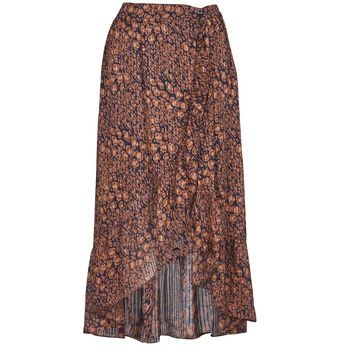
Wrap skirts suit shoppers who want adjustability without moving into overtly elasticated styles. The main advantage is flexibility at the waist, which can help if your measurements sit between sizes or fluctuate slightly through the month. That said, not all wrap skirts offer the same security. Some are true wraps with a tie closure, while others are wrap-effect designs with a fixed underlayer. The difference matters if you want reliable coverage in wind or when sitting.
Fabric and overlap determine whether a wrap skirt works for everyday wear. A light fabric with a shallow wrap can shift more than expected, especially in shorter lengths. A heavier cloth or a design with generous overlap tends to feel more stable. Also consider where the wrap line falls on the body. A diagonal line across the front can be flattering, but it also draws attention to fit through the hip, so the skirt should lie flat without pulling.
A true wrap can be more adjustable at the waist, but a wrap-effect skirt is often easier for predictable coverage during daily wear.
-
Check whether the skirt is a true wrap or a wrap-effect construction
-
More overlap usually means better coverage and less shifting
-
Lighter fabrics can move more in wind or when seated
-
Wrap placement affects how the skirt sits across the hip and thigh
-
Adjustable waists help if you sit between sizes or want fit flexibility
The most important decision factor is how the skirt’s cut and fabric work together, because shape affects movement, fit, layering, and how useful the piece will be day to day. Length matters, but comparing structure, stretch, and drape will usually tell you faster whether a skirt suits your routine, footwear, and preferred level of polish.